

Academic Success in medical school is a continuous and individualized process for students. Student Success supports all students, whether through proactive planning and study sessions, connection to resources, or guiding students through challenging aspects of their medical education. The department provides a variety of group programming opportunities in addition to one-on-one meetings. Student Success collaborates with students, faculty, and other campus resources for a wide variety of support options for students.
Academic Counseling
Academic counseling is available to all students. Group or individual counseling sessions are facilitated and focus on developing effective study strategies, improved time management, recommendation of resources, and identifying barriers to student learning. Study strategies can be guided toward improvement through reflection, evidence-based learning practices, and collaborative efforts.
Grades are monitored over the course of the program to note individual student trends and facilitate early intervention when concerns arise. Academic counseling sessions will be recommended to students demonstrating concerns with their academic performance.
First Year: the adjustment to Medical School can include significant changes to a student’s prior study practices due to the volume of material and high expectations for recalling details. Academic counseling provides first year students with the opportunity to discuss their individual adjustment to medical school, evidence-based strategies for studying, referral to campus and school resources, time management strategies, and problem-solve any issues that arise.
Second Year: the volume of material and expectations on the ability to recall complex and detailed information continue to build. Academic counseling helps second year students improve time management and study strategies and create a detailed study plan for their step 1 dedicated study period. Students may continue academic counseling through Step 1 preparation for insight into practice exam scores, test readiness advising, study strategy and resource recommendations, and encouragement.
Clerkship Phase: the demands on time management become more complex as students juggle rotation shifts and prepare for Shelf exams during each clerkship. Academic counseling is available to third year students as they manage changing work schedules and on-call responsibilities alongside studying for exams.
Advanced Clinical Phase: with greater emphasis on the Step 2CK score in residency applications, students are interested in maximizing their dedicated study period. Academic counseling in the fourth year helps students determine their timeframe for taking the Step 2CK exam and develop individual study schedules.
USMLE Preparation
Student Success provides guidance for students during the preparation time for both USMLE Step 1 and Step 2CK. Students are advised as they register for the exam, navigate options of when to begin and how to focus studying throughout the year, in the development and management of individualized study plans, and monitoring and advising students in their progress during their dedicated study period for each board exam.
STEP 1
Second year students may take Step 1 either at the conclusion of the pre-clerkship phase of their education or following the completion of their core clerkships.The Step 1 exam is Pass/Fail, and dedicated study periods typically range from 4 to 8 weeks, depending on the student. This flexibility allows students to begin their clerkships in March (requires special approval), April, or May. Exams taken after May require approval.
Student Success supports students through the Step 1 process beginning with registering for the exam, support if accommodations are sought, individual and group study planning sessions, recommendation of resources, practice exam support, and encouraging student wellness.
STEP 2CK
Third year students take Step 2CK at the conclusion of their required clerkships. Student Success supports students as they determine the length of their dedicated study period, support if accommodations are sought, create study plans, make resource recommendations, and encourage student wellness.
PLP
Peer Learning Partners (PLPs) are available for first, second-, and third-year students. Qualified second, third-, and fourth-year students are hired as PLPs through the Federal Work Study program, and provide support through content review, study strategy recommendations, and mentorship to students.
A variety of opportunities are encompassed in the PLP role. One specific role applicable to all PLPs is pairing them with students enrolled in the Academic Enrichment Program (AEP) for weekly meetings on content reinforcement, clarity, and accountability.
Second Year
Students may become PLPs in their second year. Second-year PLPs offer individual or group study sessions to first year students. Sessions may include content and exam review, study strategy feedback, or general medical school student insight. Second year PLPs benefit from content review sessions covering first year material, strengthening their own learning process.
Third year
Third-year PLPs provide support to their second-year peers in content areas and on Step 1 study strategies, insight, and experiences. Sessions may be structured for individuals or groups. Third year student tutors may find they have less time available to tutor as they move through their clerkships; however, the flexible schedule allows them to adjust their hours as needed.
Fourth year
Students may become or continue to work as student tutors in the fourth year. These students provide support to first, second-, and third-year students. They provide individual and group study and review sessions based on course content areas, Step 1 preparation, shelf exam study, and general study strategies. These students are an excellent resource and source of encouragement to their peers at all phases of medical education.
PSP
The Prematriculation Summer Program (PSP) is a three-week, on-campus program for select students to experience and preview the medical school format and content in a no-stakes environment. Invited participants are offered the opportunity to preview the medical school experience the summer before classes begin. Students are invited into PSP for a variety of reasons including their number of gap years, completion of fewer science courses, or lower academic benchmarks in undergraduate studies. PSP students practice new study strategies, preview medical school content, and even take practice exams in a no-stakes environment, strengthening their chances 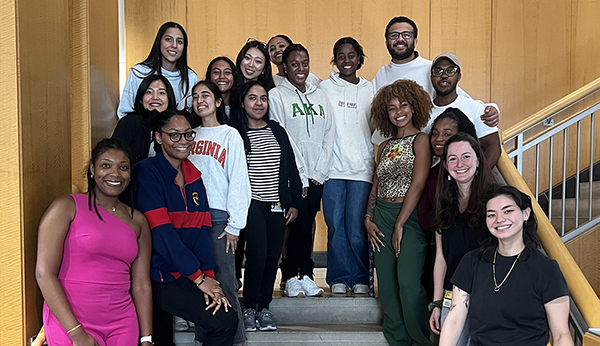 for success in medical school courses.
Participating students attend lectures, labs and small group experiences taught by rising second year students. Content is structured in two blocks with a review session and culminating exam for each block. Participating students learn about effective study techniques and resources from current students, faculty, and staff. Student teachers and faculty provide participating students with mentorship and support throughout the program. Students create connections with their fellow participants, their teachers, and faculty mentors not only through shared academic experiences, but also through social activities planned throughout the program.
Opportunities
Qualified students may participate in the academic success of their peers in several ways. By serving as a PLP or PSP teacher, successful students can provide peer support, strengthen their own competencies, and gain experience in academic medicine and insight in the potential future careers of educators and faculty members.
Prematriculation Summer Program (PSP) Teachers
Rising second-year students may apply to become a teacher for the PSP. The three-week PSP program provides select incoming students with the opportunity to preview the medical school format and content in a no-stakes environment. PSP teachers gain experience in lesson planning, delivering lectures, leading lab and small group learning experiences, preparing, and administering exams, supporting students, and collaborating with fellow teachers, faculty, and staff.
Peer Learning Partner (PLP)
Students in their second year and beyond may apply for the position of Peer Learning Partner, or PLP. The PLP position is a Federal Work Study paid position. PLPs lead review sessions before exams, serve on panels for information about USMLE exams, and host office hours to support students in content areas and study strategies in one-on-one or group sessions. PLPs are also paired with students enrolled in the Academic Enrichment Program (AEP), a program which provides selected students with structured academic support for improved academic success. PLPs meet with their AEP student weekly for content reinforcement/clarity and accountability.
This opportunity for students to participate in student success initiatives allow them to give back to their peers and provide the PLPs and PSP teachers with the opportunity to review material and to gain experience in academic medicine.
Accommodations
The Office of Educational Support and Disability Services (ESDS) coordinates services to assist students with disabilities in obtaining reasonable accommodations through an interactive process involving the student and the school. UMSOM has two liaisons to ESDs to help advise students on obtaining and implementing their accommodations.
AEP
The Academic Enrichment Program (AEP) is a course designed to provide structured support for students who who meet enrollment criteria in the pre-clerkship curriculum. The requirements of the program include meetings with the student success specialists, and weekly meetings with an assigned PLP for content clarity, reinforcement, and accountability. The AEP also provides elective credit for students who may not otherwise have met the criteria to participate in other pre-clerkship electives. The full AEP policy can be found here.
Contact OME
Academic Success
academicsuccess@som.umaryland.edu
Tess Gillis
410-706-7669
tess.gillis@som.umaryland.edu
Courtney Butler
410-706-7404
courtney.butler@som.umaryland.edu