


Marcelo A. F. Ribeiro, MD, MSc, PhD, FACS, FISS, MAMSE, ACC(Hon)
Professor of Surgery at the University of Maryland School of Medicine Director of International Outreach Initiative (IOI) at R Adams Cowley Shock Trauma Center (RACSTC)
Dr. Marcelo is an accomplished Professor of Surgery at University of Maryland, School of Medicine with 30 years of experience as General , Acute Care, Trauma and Gastrointestinal- HPB Surgeon, Chairman and Full Professor highly engaged in teaching, research and assistance with a strong academic background.
Dr. Ribeiro has experience in the management of medical courses as Dean and surgical divisions in hospitals as Chairman and chief of surgery. He has led and contributed to global surgical training initiatives, faculty development programs, and collaborative research aimed at improving surgical quality, safety, and access to care. He has published extensively on surgical education, simulation-based training, competency-based assessment, and global surgery, bridging clinical excellence with education science and implementation.
Through long-standing international partnerships—particularly in Latin America, Africa, and other resource-limited settings—Dr. Ribeiro is widely recognized for advancing sustainable surgical training models and mentoring clinicians and educators who now hold leadership roles within their institutions.

Christopher J. Welsh, MD
Associate Professor in the Department of Psychiatry at the University of Maryland School of Medicine
Dr. Christopher J. Welsh, MD, is an Associate Professor of Psychiatry at the University of Maryland School of Medicine. His main area of clinical work is in the area of substance use disorders. He works in various in- and out-patient settings (as well as via Tele-medicine), including methadone and buprenorphine maintenance.
He has an interest in substance use in pregnancy and the medical complications of addiction. He is a consultant for the Maryland Addiction Consultation Service (MACS) and the Medical Director of the Maryland Addiction Consultation Service for Moms (MACS for MOMS) and the UMMC Addiction Consultation Service.
Along with the Institute of Human Virology, he also works in Kenya to increase treatment of heroin use disorder. He is involved with training of healthcare professionals in various addiction-related areas. He is also the Medical Director and Director of Research of the Maryland Center of Excellence on Problem Gambling.
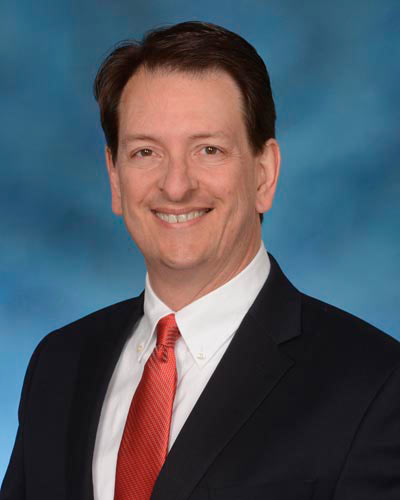
Peter B. Crino, MD, PhD
Dr. Richard and Kathryn Taylor Endowed Professor of Neurology and Chair of the Department of Neurology at the University of Maryland School of Medicine.
Dr. Peter B. Crino, MD, PhD is an internationally recognized physician-scientist and academic leader serving as Professor and Chair of the Department of Neurology at the University of Maryland School of Medicine. He holds the Dr. Richard and Kathryn Taylor Endowed Professorship in Neurology and is widely known for his pioneering research on developmental brain disorders and translational neuroscience.
His laboratory has researched mechanisms of altered brain development associated with autism, intellectual disability, and epilepsy, defining developmental disorders associated with intractable epilepsy including autism, hemimegalencephaly, focal cortical dysplasia, and tuberous sclerosis complex (TSC), which he has studied extensively. He has collaborated on identifying several new genes associated with neurodevelopmental disorders, pioneered single cell mRNA and DNA sequencing analysis in resected human tissues; and has used mouse models to plumb the effects of mTOR regulatory genes on cell development in in vitro models using immunocytochemistry, Western assay, mRNA expression analysis, gene transfection, and in vitro cell migration assays.
Dr. Crino’s work has contributed to global scientific discourse through leadership roles, hundreds of peer reviewed publications, professional societies, workshops and lectures all over the world.
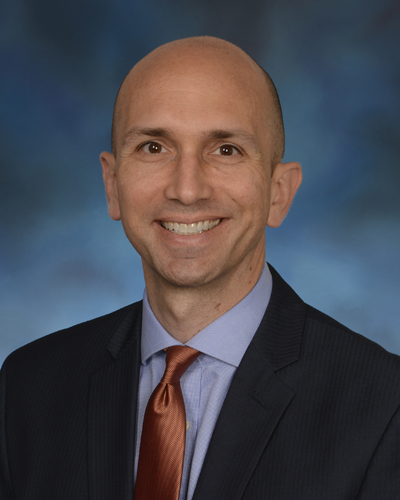
Matthew B. Laurens, MD, MPH
Professor of Pediatrics, Pathology, and Medicine at Center for Vaccine Development and Global Health University of Maryland School of Medicine
Dr. Matthew B. Laurens, MD, MPH is a globally recognized pediatric infectious disease specialist and vaccine researcher with work focusing on vaccine development.
Dr. Laurens research interest in malaria, typhoid fever, and other diseases that disproportionately affect people who live in resource-limited settings. He conducts studies at the Center for Vaccine Development (CVD) in Baltimore and at international sites in Burkina Faso, Mali, Malawi, and Uganda. Dr. Laurens evaluates vaccines and therapeutics that target infectious pathogens, researches the effects of climate change on human health, studies the interaction of HIV and malaria, and investigates the acquisition of antimalarial immunity. The broad goal of Dr. Laurens’ research is to illuminate the mechanisms of vaccine-induced immunity with the aim to inform development of vaccines and therapeutics.
Dr. Laurens is the Director of the International Clinical Trials Unit within the Malaria Research Program, where he leads efforts to evaluate novel malaria vaccines and therapeutics, including mRNA-based candidates and immune response correlates, in collaboration with endemic country partners. His work also encompasses typhoid conjugate vaccine studies and other vaccine trials addressing key global health priorities.
Dr. Laurens has co-authored numerous peer-reviewed publications advancing understanding of vaccine immunogenicity, efficacy, and safety, and his contributions have been recognized with awards such as the Bailey K. Ashford Medal for distinguished work in tropical medicine. Through his leadership in controlled infection models and international vaccine trials, he has significantly informed global strategies for reducing the burden of malaria and other infectious diseases worldwide.
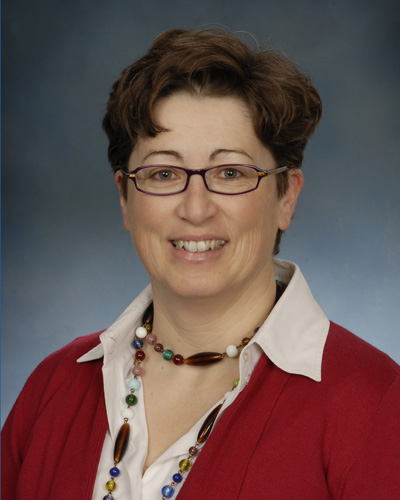
Joana Carneiro da Silva, PhD
Professor, Microbiology & Immunology
Associate Director for Research, Institute for Genome Sciences
University of Maryland School of Medicine
Dr. Joana Carneiro da Silva, PhD is a Professor, Microbiology & Immunology and Associate Director for Research, Institute for Genome Sciences University of Maryland School of Medicine.
Dr. Carneiro da Silva is a recognized expert in evolutionary genetics and infectious disease genomics, whose work at the University of Maryland School of Medicine focuses on advancing fundamental and translational understanding of parasitic diseases with global health impact, particularly malaria and other apicomplexan parasites.
Her research has been instrumental in applying comparative genomics, population genomics, and pathogen evolution to elucidate the genetic diversity of major human and animal parasites—including Plasmodium species responsible for human malaria, as well as Babesia, Theileria, and Cryptosporidium—with the goal of informing vaccine design, drug resistance analysis, and improved control strategies in endemic regions worldwide.
Her research program includes NIH-funded projects such as genome-wide sieve analysis for malaria vaccine efficacy, which seeks to identify protective antigens and inform next-generation vaccine targets based on field trial genomic data.
Through her leadership at the Institute for Genome Sciences, Dr. Carneiro da Silva collaborates with international partners and contributes to global scientific discourse on pathogen evolution, vaccine development, and genomics-driven approaches to infectious disease control, reinforcing the University of Maryland’s impact on global health research and training.
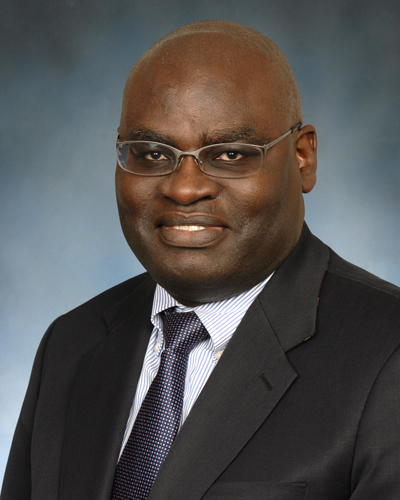
Clement A. Adebamowo, BM, ChB, ScD, FWACS, FACS
Professor of Epidemiology and Public Health
Director, Center for Global Health, University of Maryland School of Medicine
Dr. Clement A. Adebamowo, BM, ChB, ScD, FWACS, FACS is a distinguished Professor of Epidemiology and Public Health at the University of Maryland School of Medicine. He is a distinguished global health leader and physician–scientist whose work spans cancer epidemiology, population health, and implementation science with a strong focus on Africa and other low- and middle-income regions.
Dr. Adebamowo champions research that informs evidence-based interventions, strengthens health systems, and builds sustainable research capacity globally. His research portfolio includes major contributions to cancer prevention and control, early detection strategies, and molecular epidemiology, particularly related to breast, cervical, and other common cancers in African populations. Dr. Adebamowo’s work integrates genomics, nutrition, lifestyle, and environmental risk factors with clinical and public health outcomes, advancing understanding of cancer disparities and guiding effective interventions in diverse settings.
Dr. Adebamowo has led and collaborated on multiple NIH- and internationally funded research initiatives that have established pivotal evidence for global cancer control policies and practice guidelines.
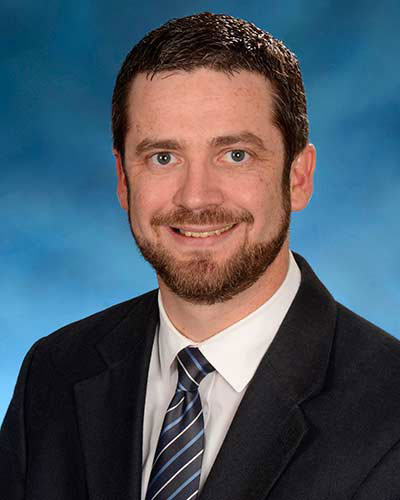
Cassidy W. Claassen, MD, MPH
Associate Professor of Medicine (Infectious Diseases) at the University of Maryland School of Medicine CIHEB Global Health Fellowship Director
Dr. Cassidy W. Claassen, MD, MPH is an infectious disease and public health clinician-scientist whose work addresses critical challenges in HIV, tuberculosis (TB), and implementation science across global health settings. He combines clinical expertise in infectious diseases with rigorous epidemiologic research to generate evidence that informs policy, practice, and health systems strengthening in resource-limited environments.
His research portfolio includes NIH- and CDC-funded studies focused on improving outcomes for individuals living with HIV and TB through strategies such as differentiated care delivery, community-based interventions, and data-driven program evaluation. Dr. Claassen’s work emphasizes the importance of integrated, people-centered approaches to care that enhance retention, adherence, and clinical outcomes among vulnerable populations.
Dr. Claassen has led and collaborated on research initiatives in sub-Saharan Africa, where he partners with Ministries of Health, local investigators, and international collaborators to adapt and evaluate evidence-based interventions within routine health systems. These efforts contribute to national policy dialogues on HIV and TB service delivery and support the translation of operational research into scalable solutions.
His scholarship is reflected in peer-reviewed publications that examine the intersection of implementation science, health systems performance, and infectious disease outcomes — advancing understanding of how health services can be optimized in diverse contexts. Dr. Claassen plays a key role in mentoring trainees and early career researchers engaged in global health research, fostering capacity for rigorous inquiry and leadership in global health.
Dr. Claassen remains committed to evidence-based approaches that bridge research and practice in global HIV, TB, and health systems improvement.
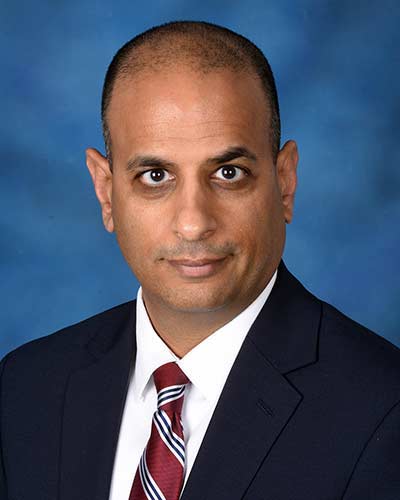
Devang M. Patel, MD
Associate Professor of Medicine (Infectious Diseases) University of Maryland School of Medicine Director, Infectious Diseases Telemedicine & Medical Education; Assistant Dean of the Pre-Clerkship Curriculum
Dr. Devang M. Patel, MD is an Associate Professor of Medicine at the University of Maryland School of Medicine. He is also the Director, Infectious Diseases Telemedicine & Medical Education and Assistant Dean of the Pre-Clerkship Curriculum. He is a physician-scientist and infectious disease specialist whose work advances clinical care delivery, research, and capacity strengthening in global health settings. At the University of Maryland School of Medicine, he integrates clinical expertise with epidemiologic inquiry to tackle infectious disease challenges that disproportionately affect populations in resource-limited regions and to generate evidence that informs both policy and practice.
Dr. Patel’s research and programmatic activities focus on HIV, tuberculosis, and health systems integration, with an emphasis on applying implementation science frameworks to real-world global health programs. He collaborates with international partners, Ministries of Health, and local investigators to evaluate and optimize models of care that enhance access, retention, and outcomes for patients living with chronic infections. His approach bridges rigorous research methods with operational realities, ensuring findings are directly translatable to practice.
Dr. Patel’s efforts support evidence-based decision-making at the national and regional levels and contribute to evolving global health guidelines. He actively participates in global health mentorship and capacity building, supporting the development of early career investigators and fostering equitable scientific partnerships.
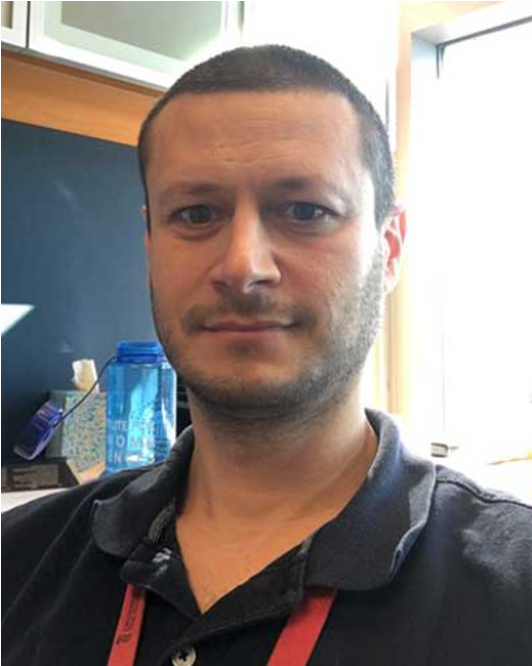
David Serre, PhD
Professor of Microbiology & Immunology at the Institute for Genome Sciences University of Maryland School of Medicine
Dr. David Serre, PhD is a Professor of Microbiology and Immunology at the Institute for Genome Sciences at the University of Maryland School of Medicine. Dr. Serre is an internationally recognized genomics and infectious disease researcher whose work integrates cutting-edge genomic technologies with global health priorities to advance understanding of pathogen biology and host–pathogen interactions. He leads research that applies whole-genome sequencing, high-throughput genotyping, population genetics, and transcriptomics to study parasites and other infectious agents that contribute to global morbidity and mortality, particularly in malaria-endemic regions.
Dr. Serre’s laboratory focuses on unraveling the genetic diversity, evolution, and molecular mechanisms of pathogens such as Plasmodium vivax, one of the principal causes of malaria outside Africa, with direct relevance to disease control and elimination efforts.
Through sustained collaboration with international partners and contribution to global pathogen genomics literature, Dr. Serre’s work supports global research agendas aimed at reducing the burden of infectious diseases. His research not only deepens fundamental understanding of pathogen biology but also contributes to translational pathways that bridge genomic discovery and public health innovation, enhancing science-driven responses to infectious disease challenges worldwide.

Deanna L. Kelly, PharmD, BCPP
Dr. William and Carol Carpenter Professor in Psychiatry for Mental Illness Research
Dr. Deanna L. Kelly, PharmD, BCPP is a Professor of Psychiatry and a Director of Maryland Psychiatric Research Center. She is an internationally recognized expert, researcher and clinician specializing in new treatments for people with severe mental health conditions. Dr. Kelly leads multidisciplinary research programs that bridge clinical trials, translational science, and innovative treatment strategies. She strongly believes that diet has the potential to help improve mental health conditions and has NIH funded science demonstrating her results.
Her research portfolio includes leadership of NIH-funded clinical trials and multinational studies that examine personalized treatment approaches, dietary-based and metabolic interventions, and the effectiveness of underutilized medications such as clozapine, with implications for diverse populations worldwide.
Dr. Kelly has presented her research widely, including international scientific meetings and invited lectures, fostering global exchange of psychiatric science and practice. She has served as a national advocate for improved mental health care, briefing both the U.S. Congress and the Food and Drug Administration on critical issues such as access to clozapine treatment, helping to shape policy that affects patients globally.
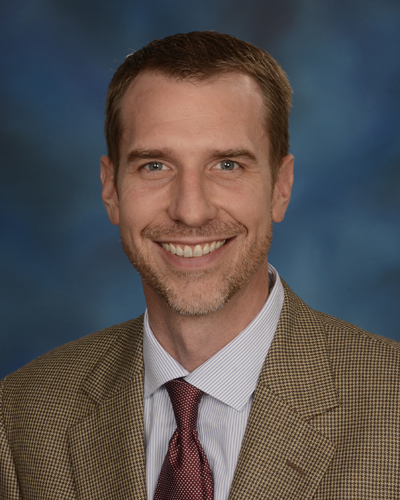
David James Riedel, MD, MPH
Associate Professor, Division of Clinical Care and Research, Institute of Human Virology; Director, Infectious Disease Fellowship
Dr. David James Riedel, MD, MPH is an Associate Professor at the Division of Clinical Care and Research, Institute of Human Virology and Director of Infectious Disease Fellowship Program. He is a distinguished clinician-scientist and global health leader whose work spans infectious diseases, implementation science, health systems strengthening, and international research collaborations. He provides strategic vision and operational leadership for the institution’s global health portfolio, fostering interdisciplinary research, education, and partnership development across diverse international settings.
Dr. Riedel’s global research portfolio has focused on improving the prevention, diagnosis, and treatment of infectious diseases in resource-limited environments. He has engaged in NIH-funded and other multinational research programs that address critical public health challenges, including HIV/AIDS, tuberculosis, malaria, and emerging infectious diseases, with an emphasis on translating evidence into practice to strengthen health systems and improve patient outcomes. His work integrates epidemiology, clinical trials methodology, and implementation science to inform scalable solutions that are responsive to the needs of diverse populations and health systems globally.
Dr. Riedel has collaborated closely with international Ministries of Health, academic partners, and global agencies to design and implement programs that enhance in-country research infrastructure, training opportunities for early career investigators, and sustainable evidence-to-policy pathways. These efforts have helped position the University of Maryland as a trusted partner in global health research and practice. He champions global health training programs that equip learners with the skills to address complex health challenges across cultural and system contexts.

Denise L. Orwig, PhD
Professor of Epidemiology and Public Health University of Maryland School of Medicine
Dr. Denise L. Orwig, PhD is a Professor of Epidemiology and Public Health at the University of Maryland School of Medicine. She is a respected epidemiologist and public health scientist whose research has advanced understanding of population health, infectious disease risk factors, and health outcomes with implications for global health policy and practice. Her work includes rigorous epidemiologic investigation, collaborative research design, and translational efforts that address pressing public health challenges across diverse populations.
Dr. Orwig’s primary research expertise is in the areas of hip fracture recovery, intervention trials, and longitudinal research methods including study design, recruitment and retention strategies, conducting performance measures, developing interventions to maximize recovery, and translating interventions into the community.
Through collaboration with multidisciplinary teams and contribution to peer-reviewed scientific literature, Dr. Orwig’s scholarship supports deeper understanding of complex health phenomena that transcend geographic boundaries. Her contributions have relevance for global health initiatives aimed at reducing the burden of both communicable and non-communicable diseases through evidence-based strategies suited to resource-limited and diverse settings.
Dr. Orwig is also committed to mentoring future public health researchers and practitioners, fostering the development of interdisciplinary investigators with the skills to translate epidemiologic insights into actionable health improvements worldwide.

Milagritos D. Tapia, MD
Professor of Pediatrics (Infectious Diseases)
University of Maryland School of Medicine
Dr. Milagritos D. Tapia, MD is Professor of Pediatrics (Infectious Diseases) at the University of Maryland School of Medicine. She is a globally recognized pediatric infectious disease specialist and vaccine researcher whose work has had profound impact on the control and prevention of vaccine-preventable diseases in low-resource settings, particularly across West Africa. She collaborates closely with international partners to conduct field-based epidemiologic studies and clinical trials that inform global vaccine policy and implementation.
Dr. Tapia has played a central role in seminal vaccine development and evaluation programs, including trials of the meningococcal A conjugate vaccine that contributed to the prequalification and rollout of MenAfriVac across the African meningitis belt in partnership with investigators in The Gambia and Senegal. She has also co-led studies demonstrating the efficacy of oral pentavalent rotavirus vaccine in Africa and large clinical trials of influenza vaccination among pregnant women in Mali that showed substantial protection for infants. These efforts have supported the introduction of life-saving vaccines—such as Hib conjugate, pneumococcal conjugate, and meningococcal group A vaccines—into national immunization programs, significantly reducing disease burden in endemic countries.
Dr. Tapia’s worked in collaboration with a team in Mali, generating evidence that directly influenced immunization strategies and public health policy in sub-Saharan Africa. She has sustained international partnerships, rigorous field research, and translation of scientific evidence into public health action.
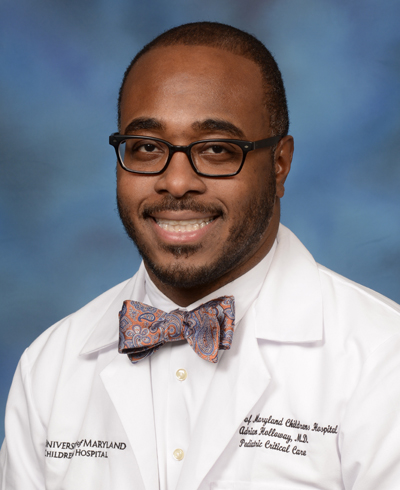
Adrian J. Holloway, MD
Associate Professor of Pediatrics and Program Director for Global Health Pediatric Critical Care Fellowship at the University of Maryland School of Medicine
Dr. Adrian J. Holloway, MD is an Associate Professor of Pediatrics and Program Director for the Global Health Pediatric Critical Care Fellowship in the Division of Pediatric Critical Care.
Dr. Holloway has a keen interest in global health, cardiac critical care, and outcomes in respiratory failure. He has traveled to several countries--including Iraq, Iran, Peru, Nigeria, Tanzania, El Salvador, Haiti, and El Salvador--as teaching and cardiac attending. Currently Dr. Holloway is the Program Director of the Global Health Pediatric Critical Care Fellowship--the first of its kind--and will be assisting in coordinating the efforts in the development of the first pediatric intensive care unit in the country of Malawi.
His work emphasizes context-appropriate adaptation of pediatric critical care, ensuring that evidence-based interventions are translated into practice in diverse international environments.
Dr. Holloway contributes to global health evidence through studies addressing acute pediatric critical illness in resource-constrained settings, such as multicenter point-prevalence and cohort studies that generate foundational data on disease burden, clinical outcomes, and resource needs critical for guiding global health policy and interventions.
Dr. Holloway’s leadership in global critical care training and research exemplifies the University of Maryland Baltimore’s mission to improve child health worldwide, strengthen international health systems, and expand equitable access to life-saving care through education, partnership, and evidence-based innovation.

Shailvi Gupta, MD, MPH, FACS
Clinical Associate Professor of Surgery at the Shock Trauma University of Maryland School of Medicine
Dr. Shailvi Gupta, MD, MPH, FACS is an Associate Professor of Surgery, University of Maryland Department of Surgery, Shock Trauma Center Program in Trauma; Program Director, Masters in Trauma Sciences.
Dr. Shailvi Gupta is an internationally engaged trauma surgeon, surgical educator, and global health practitioner whose work advances surgical capacity building, trauma systems development, and emergency care education in low-resource settings. He teaches global public health and emergency preparedness courses, reflecting a commitment to preparing clinicians for complex health challenges worldwide.
Dr. Gupta’s global health endeavors focus on strengthening surgical and trauma care systems in low- and middle-income countries through research, program implementation, and collaboration with local health authorities. She has led country-wide research projects in Nepal to assess and grow surgical capacity and worked with the Ministry of Health in Mozambique to help establish a national ambulance system and trauma registry infrastructure—efforts that support sustainable improvements in emergency health outcomes.
Her contributions extend to academic partnerships in Europe, where she helped develop advanced trauma education programs, including one of the first Trauma Masters Programs at the University of Milan and Niguarda Hospital in Milan, Italy, enhancing training and professional standards in trauma care.
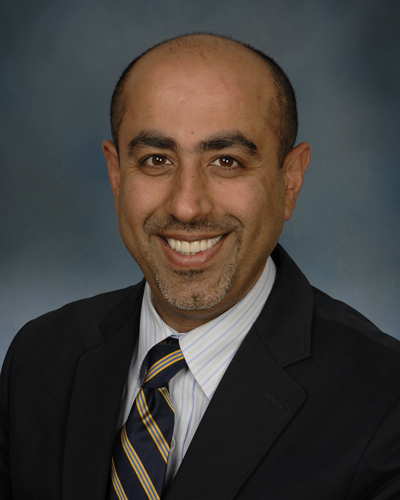
Ashutosha Sachdeva, MBBS
Associate Professor of Medicine at the University of Maryland School of Medicine Director of the Interventional Pulmonology Fellowship Program; Director of the Interventional Pulmonology Program
Dr. Ashutosha Sachdeva, MBBS is an experienced pulmonologist and interventional pulmonology specialist at the University of Maryland School of Medicine, where he serves as Associate Professor of Medicine and Director of the Interventional Pulmonology Program and Fellowship. He brings more than a decade of clinical expertise in advanced lung disease, minimally invasive diagnostic and therapeutic procedures, and leadership in clinical research.
Dr. Sachdeva’s has academic contributions in clinical trials and translational research aimed at improving care for patients with complex respiratory conditions, including emphysema, chronic obstructive pulmonary disease (COPD), lung cancer, tracheal disorders, and advanced airway disease.
Dr. Sachdeva is committed to advancing high-quality, evidence-based respiratory care which aligns with global health priorities—particularly the diagnosis and management of non-communicable respiratory diseases that contribute substantially to morbidity and mortality in both high- and low-resource settings. His expertise in interventional techniques, patient registries, and collaborative clinical protocols supports knowledge dissemination and capacity building among multidisciplinary care teams internationally.
Dr. Sachdeva has conducted research that inform clinical practice beyond the U.S. with an approach that cuts across organizational silos and foster collaborative research and reflects an ethos relevant to global clinical networks and multi-site research partnerships