
We envision a future where the drivers of cardiometabolic diseases are fully understood: across populations, across continents, and across the genome. At the Meeks Lab, we use epidemiology, genetics, and multi-omics research to uncover the factors that shape risk for conditions such as diabetes, obesity and cardiovascular diseases, with a particular focus on African-ancestry populations. We are building a collaborative and intellectually vibrant space where researchers can grow, contribute, and push the boundaries of global health research.
Lab News

Dr. Kassaw Presents at ADA Scientific Sessions
June 2026
At the recent American Diabetes Association (ADA) Scientific Sessions in New Orleans, postdoctoral fellow Dr. Nigussie Kassaw presented a well-received poster on disparities in diabetes among immigrants in North America. Nigussie’s comprehensive research highlights critical inequities in the cardiometabolic health of immigrant populations. To further unravel these complex subgroup disparities, his ongoing work incorporates stratified analyses by region of origin, sex, and other key demographic factors. The lab is incredibly proud of Nigussie's hard work, and his dedication to advancing our understanding of diabetes risk in diverse populations.
Dr. Meeks Received the Aurelian Biomedical Research Award
April 2026
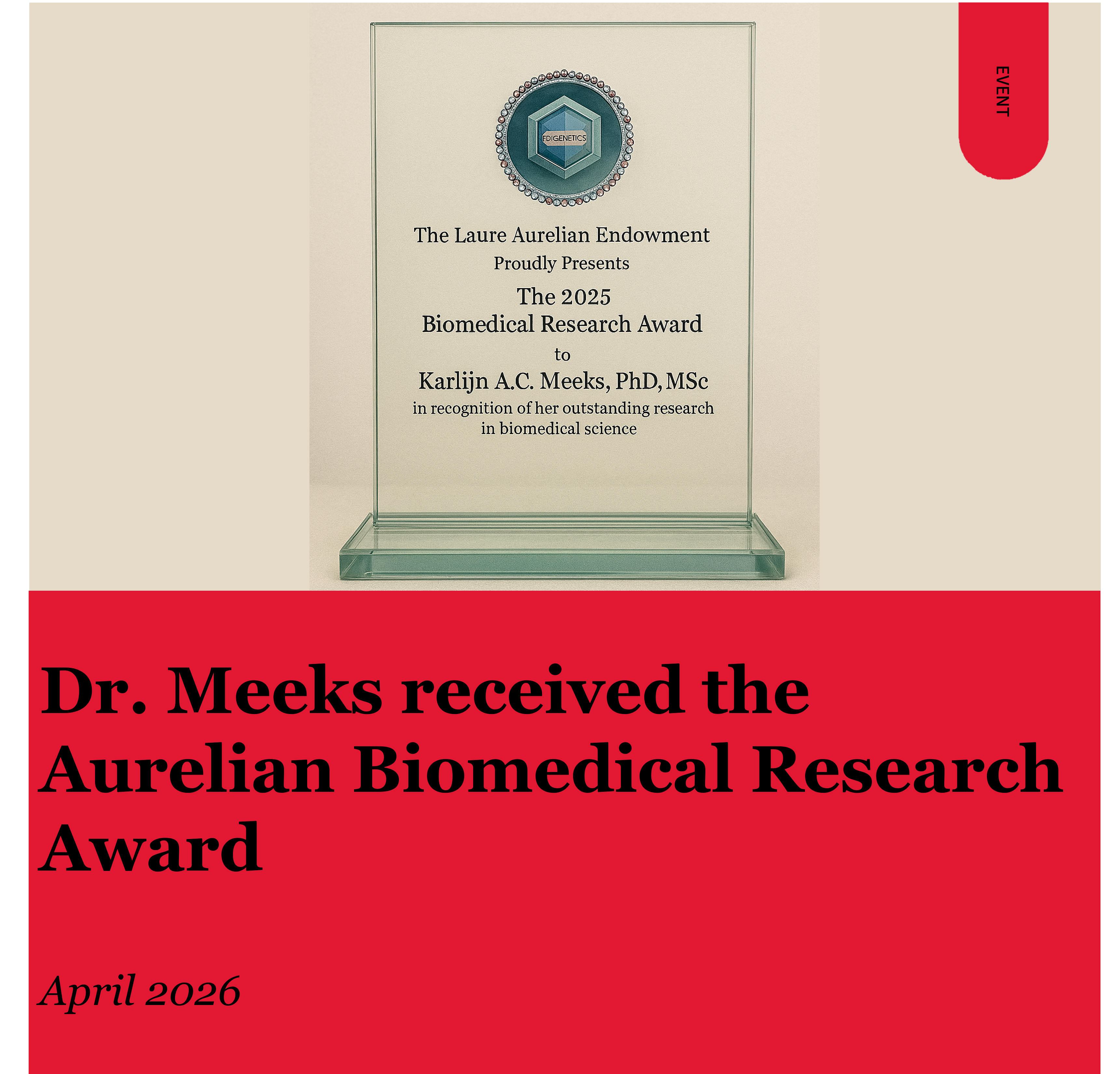
Dr. Karlijn Meeks was recently honored with the Laure Aurelian Biomedical Research Award. This award recognizes early-career women faculty for innovative research and dedicated mentorship. It honors the legacy of Dr. Laure Aurelian, the first woman to earn a PhD from the Johns Hopkins School of Medicine, who championed rigorous science and mentorship throughout her 50-year career. At the award colloquium, Karlijn presented the lab’s ongoing work on the genetic epidemiology of type 2 diabetes among African-ancestry populations. This recognition reflects the lab's commitment to advancing cardiometabolic research and empowering future biomedical scientists.
Causal Epigenetic Markers Identified for Type 2 Diabetes
April 2026
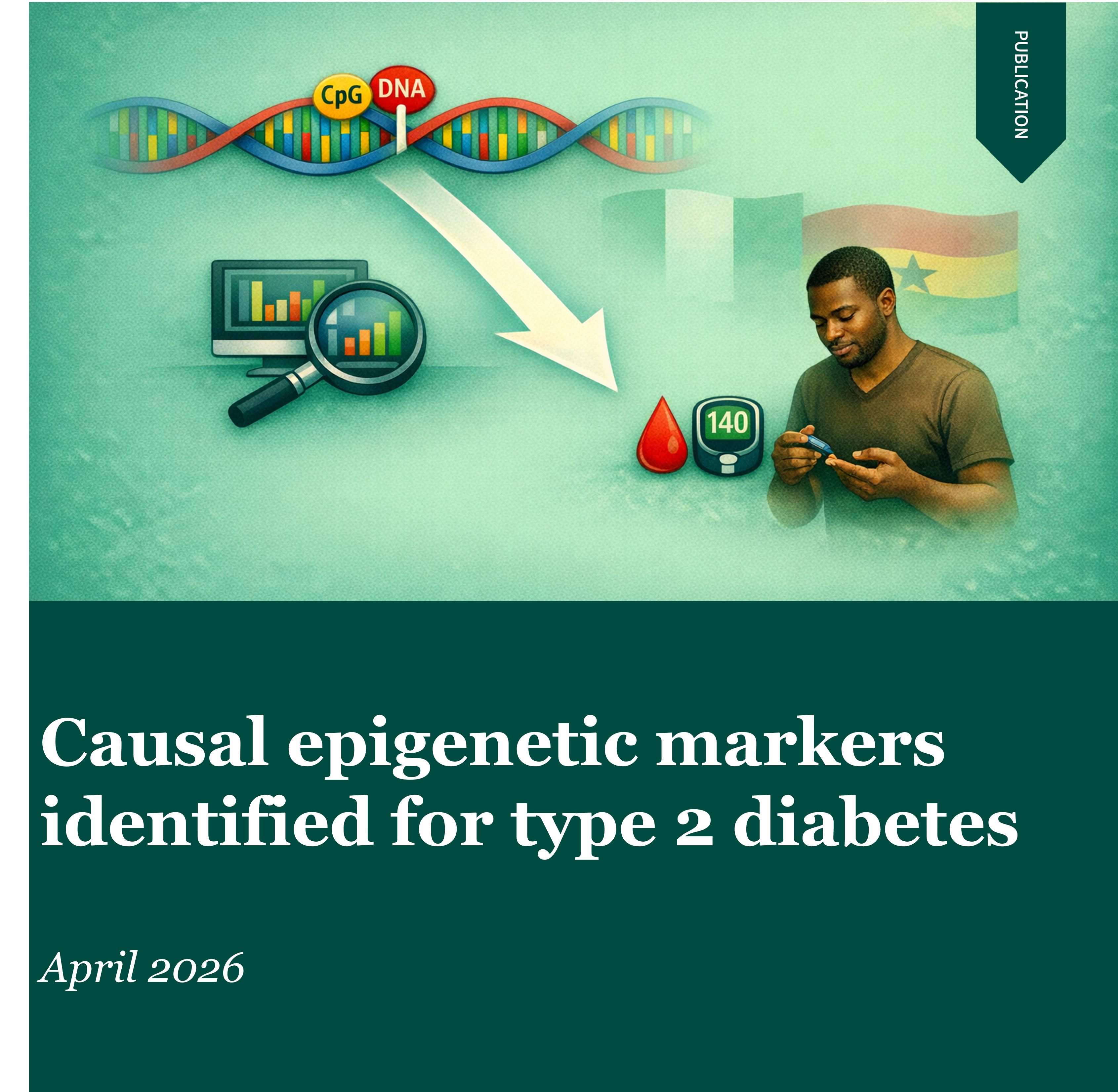
A new Meeks Lab study published in Diabetologia identified two epigenetic markers with evidence for a causal role in type 2 diabetes among West Africans. To uncover these markers, the team combined epigenome-wide analyses with longitudinal follow-up of specific DNA methylation sites and Mendelian randomization. The findings suggest that these epigenetic markers may influence diabetes risk through altered expression of genes involved in glucose metabolism.
Novel Insights into Epigenetic Regulation of Adiponectin
March 2026
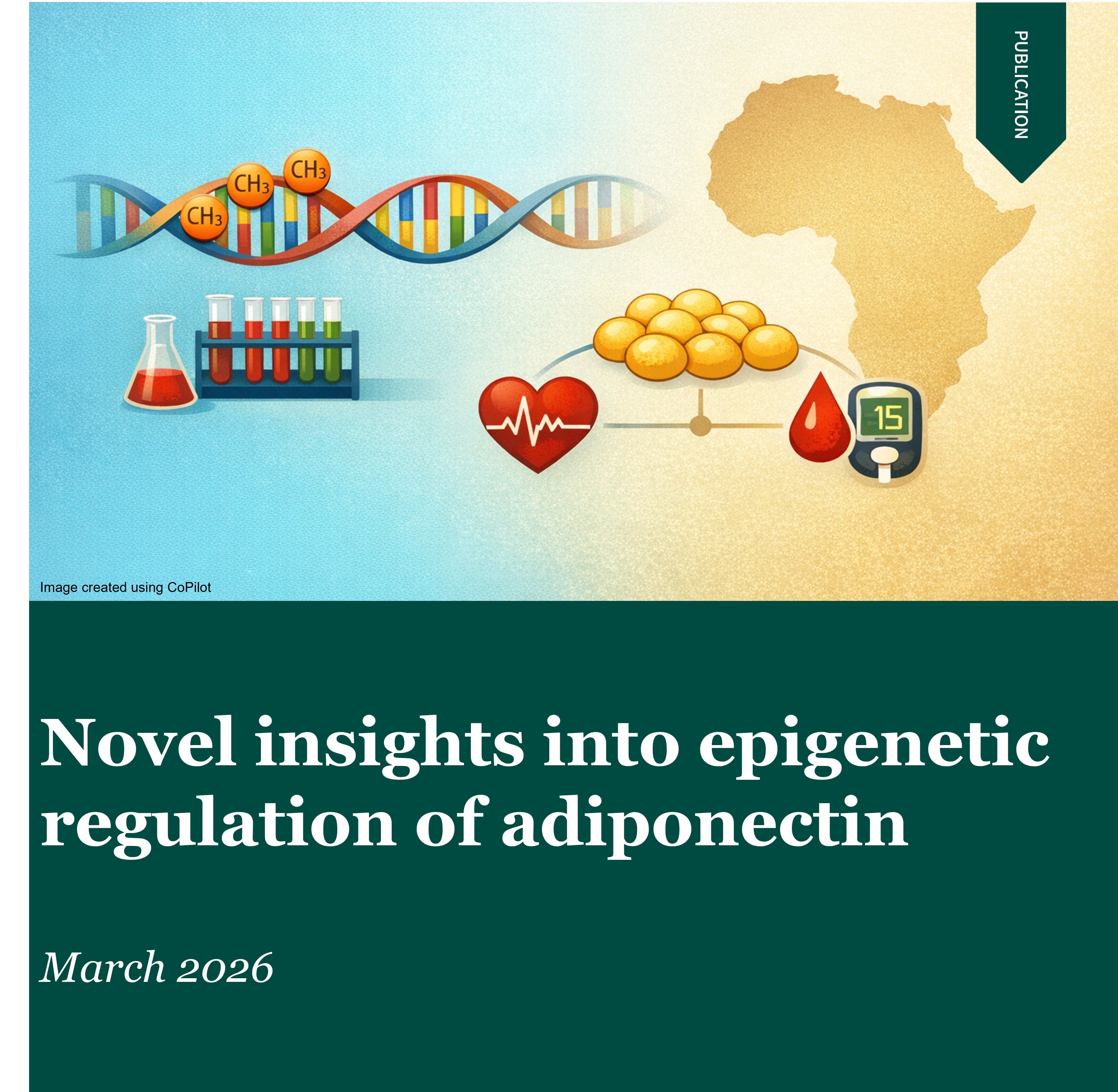
PhD student Muhau Mungamba led the most recent Meeks Lab study on adiponectin in West African populations, now published eBioMedicine. Adiponectin is a circulating protein involved in energy metabolism and inflammation. Higher levels have been associated with a lower risk of cardiometabolic conditions, including type 2 diabetes. In this study, Muhau investigated the epigenetic regulation of adiponectin using data from Ghanaian and Nigerian cohorts. Her findings provide new insight into the biological regulation of adiponectin.
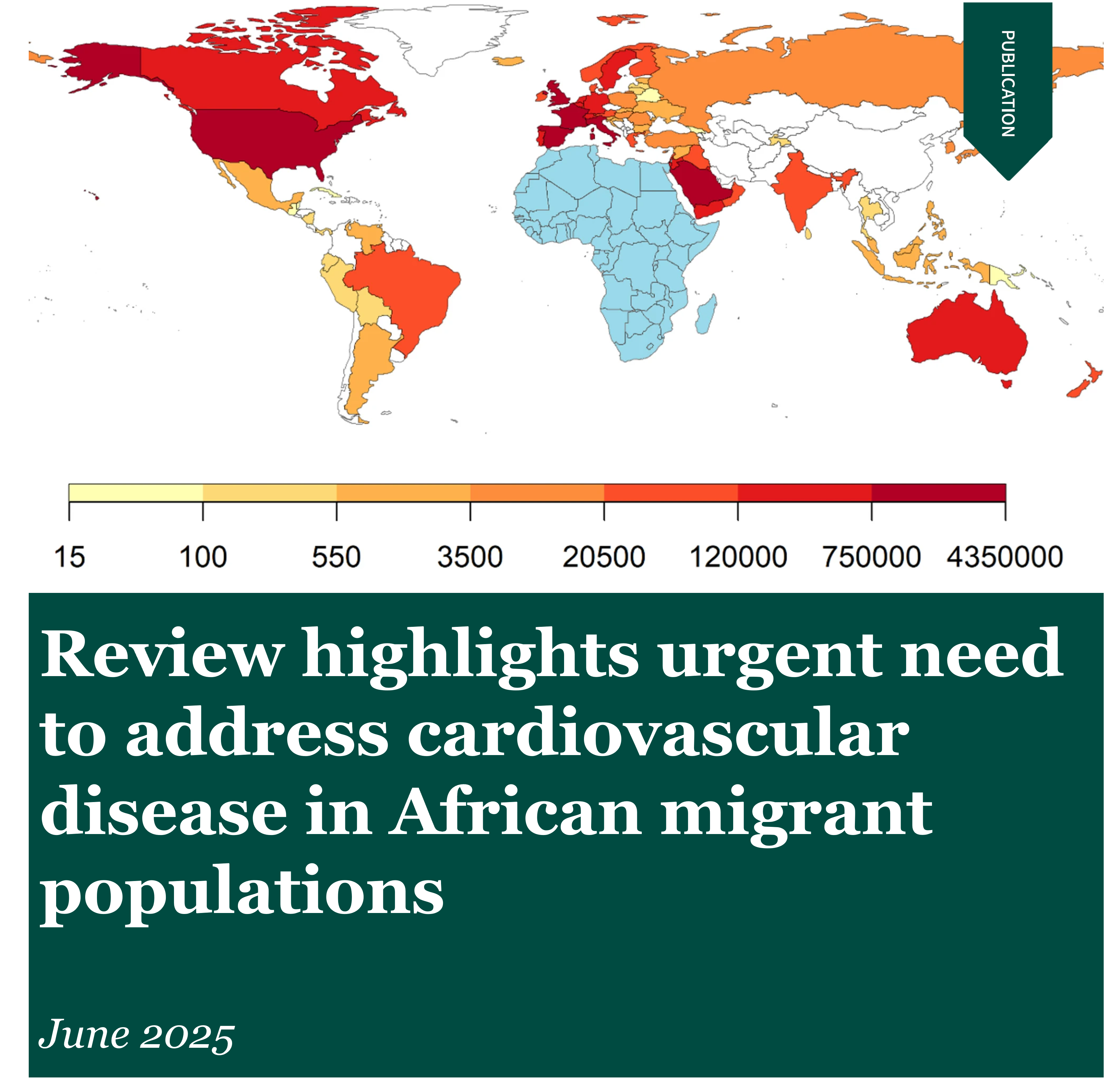
Review Highlights Urgent Need to Address Cardiovascular Disease in African Migrant Populations
June 2025
We're proud to share a new invited review by Dr. Karlijn Meeks and long-term Amsterdam UMC collaborator Prof. Charles Agyemang, published in Current Atherosclerosis Reports. The article, titled "Cardiovascular Disease Burden among African Migrants," provides a comprehensive overview of what is known, and still unknown, about the cardiovascular disease burden among African migrant populations globally, including its risk factors, underlying mechanisms, and prevention efforts.
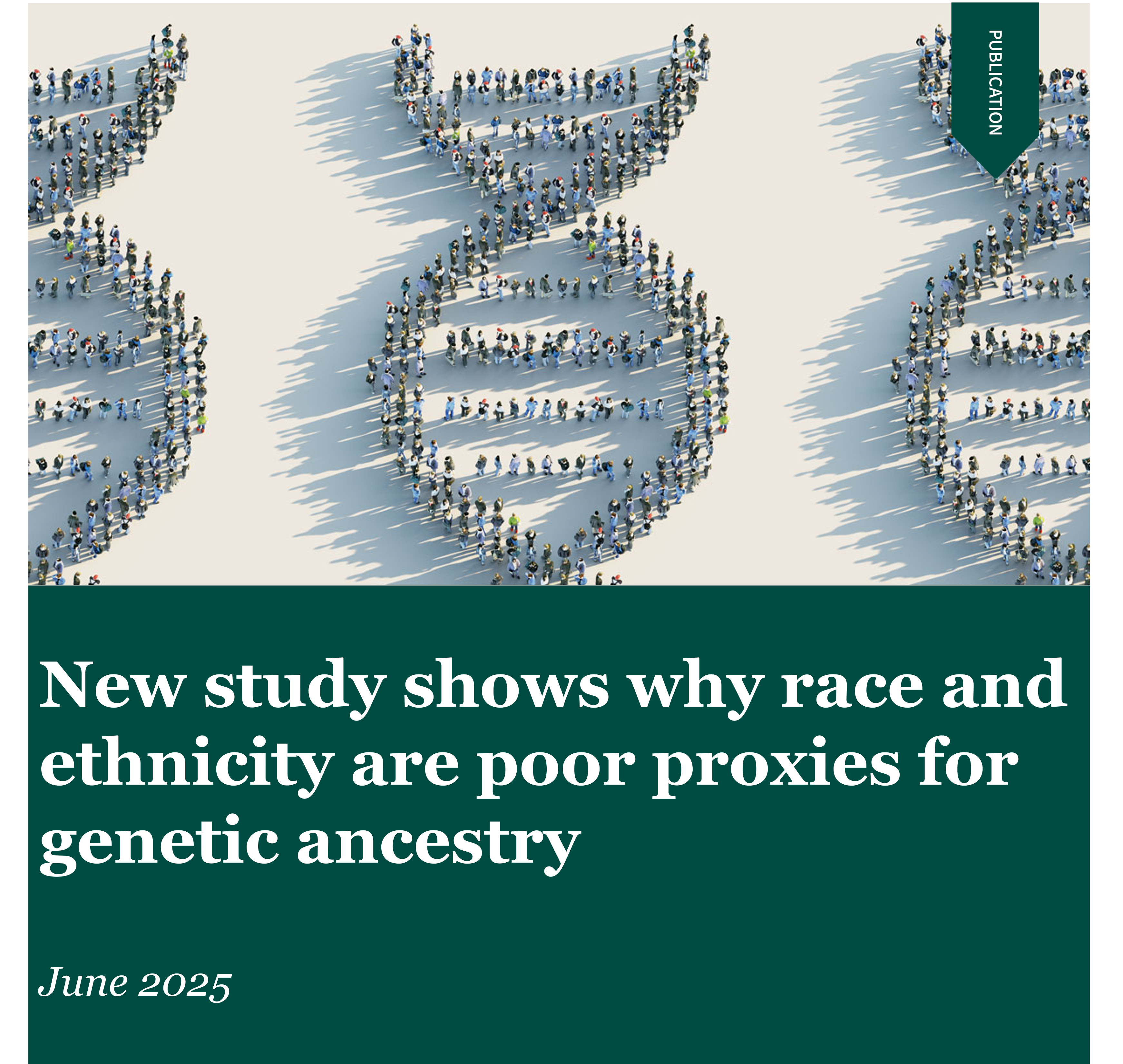
New Study Shows Why Race and Ethnicity Are Poor Proxies for Genetic Ancestry
June 2025
Dr. Karlijn Meeks contributed to a landmark study, now featured in a press release in Science, that analyzed genetic data from more than 230,000 participants in the All of Us Research Program. The findings confirm that race and ethnicity do not accurately reflect a person's genetic background. The study also highlights the importance of examining subcontinental ancestries. For example, West-Central and East African ancestries showed opposite associations with BMI.