
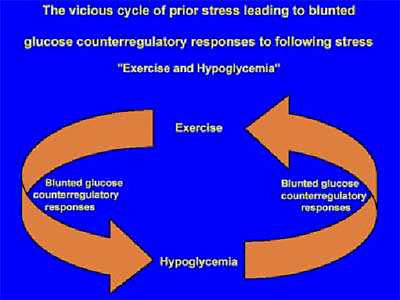
The lab focuses on glucose counterregulatory mechanisms (neuroendocrine, autonomic nervous system, and metabolic effects) in response to low blood sugar (hypoglycemia) and high blood sugar (hyperglycemia). Under normal conditions in healthy individuals, these counterregulatory mechanisms keep blood glucose at typical stable levels (~80-100 mg/dl, or euglycemia). Various events such as exercise, differing insulin types and dosaging , investigational drug use, and previous bouts of hypoglycemia, are studied to determine their effects on glucose counter-regulatory mechanisms. These all may affect glucose counterregulation during subsequent hypoglycemia in individuals with either Type 1 or Type 2 diabetes, as well as individuals with no diabetes.
Previous exposure to these stressors can lead to a vicious cycle, in which the preceding stress leads to blunted, less effective counterregulation. This is especially important in the treatment of diabetes since hypoglycemia is one of the most feared consequences of the disease treatment. The Diabetes Control and Complications Trial (DCCT) emphasized the importance of frequent monitoring of blood glucose and treatment adjustments to prevent the damaging effects that result from hyperglycemia (e.g. blindness, dialysis, amputations). On the other hand, DCCT also revealed a three fold increase in the incidence of hypoglycemia as a subsequent effect of this intensive hyperglycemia prevention. Severe unmonitored hypoglycemia can cause coma, brain damage, and even death. The Davis Laboratory studies mechanisms of hypoglycemia to aid understanding on how and why hypoglycemia occurs to give insight on ways to minimize or prevent the dangerous effects of hypoglycemia in diabetic patients.
Another major focus of the Davis lab is the cardiovascular effects of diabetes, since cardiovascular events of MI and stroke are so prevalent in this population. Atherosclerotic, thrombolytic, inflammatory and fibrinolytic balance in Type 2 diabetes is examined. Ways to delay and/or prevent the onset of diabetes in individuals with pre-diabetes or hereditary factors indicating diabetes risk is also an area of research activity for this lab.